
Mycophenolate Mofetil: A Comprehensive Guide for API Importers, Manufacturers, and Compounding Pharmacies
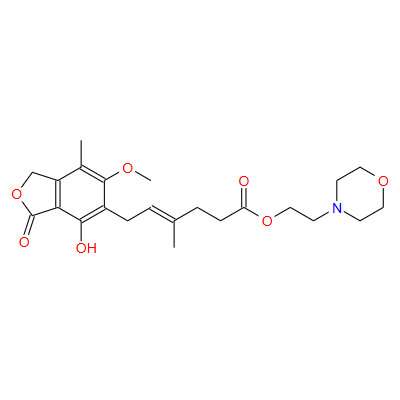
Mycophenolate Mofetil (MMF) is an important immunosuppressant widely used in organ transplantation and the treatment of autoimmune diseases.
As the pharmaceutical industry continues to grow, the demand for high-quality Mycophenolate Mofetil API is strong among importers, manufacturers, and compounding pharmacies.
Our post explores every aspect of the Mycophenolate Mofetil API—from its mechanisms of action to sourcing strategies—providing valuable insights for pharmaceutical professionals seeking to incorporate it into their business scope.
What is Mycophenolate Mofetil?
Mycophenolate Mofetil API is a white or almost white crystalline powder with an odorless characteristic.
It is highly soluble in dichloromethane but practically insoluble in water.
Mycophenolate mofetil is the 2-morpholinoethyl ester of mycophenolic acid (MPA) and functions as a prodrug that hydrolyzes in vivo to release MPA, the active metabolite.
First developed in the late 1960s as a potential antitumor agent, it was found to have immunosuppressive properties only in the 1980s.
It received FDA approval in 1995 for the prevention of organ rejection and has since become a cornerstone of immunosuppressive therapy regimens worldwide.
Its molecular structure contains an unsaturated fatty chain, making it susceptible to oxidation and requiring careful handling and storage conditions.
What is Mycophenolate Mofetil used for?
Primary Indications
Mycophenolate Mofetil is primarily indicated for:
Organ Transplantation: Prevention of rejection in kidney, heart, and liver transplants, typically in combination with cyclosporine and corticosteroids (such as hydrocortisone, betamethasone).
Autoimmune Diseases: Treatment of various autoimmune conditions, including:
Systemic lupus erythematosus (SLE)
Pemphigus vulgaris
Bullous pemphigoid
Psoriasis
Refractory rheumatoid arthritis
Emerging Applications
Recent research has explored expanded applications for MMF:
Dermatological Conditions: The 2025 European Guideline on atopic eczema includes MMF as a systemic treatment option.
Oncological Investigations: A 2025 Phase II clinical trial investigated MMF for high-grade, locally advanced, or metastatic osteosarcoma, although the results showed limited efficacy for this specific application
Nephrological Conditions: Treatment of lupus nephritis and other immune-mediated renal diseases.
How Mycophenolate Mofetil Works? (mechanism of action)
Mycophenolate Mofetil exerts its immunosuppressive effects through a sophisticated mechanism of action:
Prodrug Conversion: After administration, MMF is rapidly hydrolyzed by esterases in the liver, plasma, and other tissues to form its active metabolite, mycophenolic acid (MPA).
IMPDH Inhibition: MPA is a potent, selective, noncompetitive, reversible inhibitor of inosine monophosphate dehydrogenase (IMPDH), a crucial enzyme in the synthesis of guanosine nucleotides.
Lymphocyte-Selective Action: Unlike other cell types, which can use salvage pathways for guanine nucleotide synthesis, T and B lymphocytes are highly dependent on the de novo pathway. The selective action makes MPA particularly effective against these immune cells.
Additional Immunological Effects:
Inhibits antibody production by B lymphocytes
Suppresses glycosylation of adhesion molecules, reducing lymphocyte recruitment to sites of inflammation
Prevents the generation of cytotoxic T cells
Reduces the proliferation of vascular smooth muscle cells, potentially helping avoid vasculopathy in transplant
Its multifaceted mechanism provides adequate immunosuppression while maintaining a relatively favorable side-effect profile compared with other agents in its class.
Mycophenolate Mofetil Dosage and Administration
Standard Dosage Guidelines
Table: Recommended Mycophenolate Mofetil Dosages by Transplant Type
| Transplant Type | Recommended Dose | Frequency | Special Considerations |
|---|---|---|---|
| Renal transplantation | 1 g | Twice daily | The maximum daily dose should not exceed 3 g |
| Cardiac transplantation | 1.5 g | Twice daily | Administer on an empty stomach |
| Hepatic transplantation | 0.5-1 g | Twice daily | Adjust based on tolerance |
Special Population Considerations
Pediatric Patients: Dosage based on body surface area (600 mg/m² twice daily)
Elderly Patients: No specific dose adjustment is required, but close monitoring is advised
Renal Impairment: Patients with severe chronic renal impairment should not receive doses greater than 1 g twice daily
Hepatic Impairment: No specific dose adjustment is needed for transplant patients with severe parenchymal liver disease
Administration Guidelines
Should typically be administered on an empty stomach
Capsules and tablets should be swallowed whole, not crushed or chewed
If a dose is missed, it should be skipped rather than doubled at the next administration
Therapeutic drug monitoring may be beneficial in specific patient populations
Mycophenolate Mofetil Precautions and Drug Interactions
Important Precautions
Immunosuppression: Increases susceptibility to infections and the possible development of lymphoma
Pregnancy Considerations: Contraindicated in pregnancy due to teratogenic effects
Gastrointestinal Effects: May cause ulceration and hemorrhage; use with caution in patients with active digestive system disease
Bone Marrow Suppression: Regular monitoring of blood counts is essential
Vaccinations: Live vaccines should be avoided during treatment
Significant Drug Interactions
Table: Major Drug Interactions with Mycophenolate Mofetil
| Interacting Drug Class | Example Agents | Interaction Effect | Management Strategy |
|---|---|---|---|
| Antacids containing Mg/Al | Aluminum hydroxide, Magnesium hydroxide | Reduced MMF absorption | Separate administration by at least 2 hours |
| Cholestyramine Resin | Questran | Reduced MMF efficacy due to interrupted enterohepatic recirculation | Avoid the combination if possible |
| Acyclovir/Ganciclovir | Zovirax, Cytovene | Potential mutual increase in concentrations | Monitor for toxicity, adjust doses as needed |
| Iron supplements | Ferrous sulfate | Reduced absorption of MMF | Administer at different times |
| Proton pump inhibitors | Omeprazole | Potential reduction in MMF exposure | Monitor efficacy, consider dose adjustment |
What are the side effects of Mycophenolate Mofetil?
Common Adverse Reactions (≥10%)
Gastrointestinal: Diarrhea (31%), nausea (23%), vomiting (15%), constipation (15%)
Hematological: Leukopenia (24%), anemia (19%), thrombocytopenia (6%)
Infectious: Sepsis (21%), CMV infection (13%), UTI (12%)
General Disorders: Fatigue (12%), headache (11%)
Serious Adverse Reactions
Severe Bone Marrow Suppression: Including pure red cell aplasia
GI Complications: Hemorrhage, ulceration, and perforation
Opportunistic Infections: Progressive multifocal leukoencephalopathy (PML), tuberculosis reactivation
Malignancies: Increased risk of lymphoma and skin cancer
Management Strategies
Regular monitoring of complete blood counts
Progressive dose reduction if adverse effects occur
Implementation of infection prophylaxis protocols
Patient education on recognizing early signs of complications
Mycophenolate Mofetil vs. Other Medications
Comparison with Other Immunosuppressants
Table: Mycophenolate Mofetil Compared to Alternative Immunosuppressive Agents
| Parameter | Mycophenolate Mofetil | Azathioprine | Cyclosporine | Tacrolimus |
|---|---|---|---|---|
| Mechanism of Action | IMPDH inhibition | Purine analog | Calcineurin inhibition | Calcineurin inhibition |
| Nephrotoxicity | Low | Low | High | High |
| Bone Marrow Suppression | Moderate | High | Low | Low |
| Neurotoxicity | Low | Low | Moderate | High |
| Diabetogenicity | None | None | Moderate | High |
| Cost | Moderate | Low | High | High |
Advantages of MMF
Favorable Renal Profile: Unlike calcineurin inhibitors, MMF does not cause nephrotoxicity or fibrosis
Selective Action: Specifically targets lymphocytes with minimal effects on other cell types
Established Efficacy: Extensive clinical experience supporting use in transplant medicine
Flexible Formulations: Available in multiple dosage forms, including IV, oral suspension, tablets, and capsules
Limitations of MMF
GI Side Effects: Higher incidence of diarrhea compared to alternatives
Teratogenicity: Contraindicated in pregnancy with strict contraception requirements
Cost Considerations: More expensive than azathioprine
Is Mycophenolate Mofetil safe during pregnancy?
Mycophenolate Mofetil is contraindicated during pregnancy and carries an FDA Pregnancy Category D designation.
Key considerations include:
Teratogenic Effects
First Trimester Exposure: Associated with increased risk of structural abnormalities, including cleft lip and palate, external ear abnormalities, and anomalies of the distal limbs, heart, esophagus, and kidney
Pregnancy Loss: Increased rate of spontaneous abortion observed in exposed pregnancies
Preconception Counseling
Women of childbearing potential must use effective contraception before, during, and for 6 weeks after discontinuation of therapy.
Pregnancy tests should be performed immediately before initiating therapy
Healthcare providers should ensure patients complete comprehensive reproductive counseling
Management of Accidental Pregnancy
Immediate discontinuation of MMF
Referral to a maternal-fetal medicine specialist
Detailed ultrasound evaluation for fetal anomalies
Consideration of alternative immunosuppressive regimens
How long does Mycophenolate Mofetil take to work?
Pharmacokinetic Profile
Absorption: Rapidly absorbed with peak plasma concentrations occurring within 1-2 hours
Metabolism: Rapidly hydrolyzed to MPA (active metabolite)
Half-life: Approximately 16 hours for MPA
Steady-state: Achieved within 5-7 days of repeated dosing
Therapeutic Onset
Immunosuppressive Effects: Begin within hours of administration, but clinical effects may take longer to manifest
Transplant Rejection Prevention: The therapeutic effect begins immediately after transplantation but requires consistent maintenance dosing
Autoimmune Conditions: May require 4-8 weeks to observe significant clinical improvement
Factors Influencing Response Time
Concomitant Therapies: Corticosteroids may provide a more immediate effect, while MMF’s action builds on
Individual Metabolism: Genetic variations in esterase enzymes may affect conversion to MPA
Formulation Factors: Different salt forms and delivery systems may alter absorption characteristics
Global Sourcing Tips of Mycophenolate Mofetil API
Quality Assessment Parameters
When sourcing Mycophenolate Mofetil API, importers should prioritize these quality indicators:
Purity Specifications: ≥98-99% purity as confirmed by HPLC
Certification Compliance: GMP, WHO-GMP, US FDA, EMA, and other relevant standards
Documentation: Comprehensive Certificate of Analysis (CoA) with detailed analytical methods
Impurity Profile: Strict limits on specified and unspecified impurities
Due Diligence Checklist
Verify manufacturing facility certifications through independent audits
Request and review stability data for the API
Conduct laboratory testing on received samples before large-scale procurement
Assess supply chain resilience and backup manufacturing capabilities
Compounding Pharmacy Guidelines for Mycophenolate Mofetil Formulations
Formulation Considerations
Stability Profiles:
Oral suspension (compounded): Stable for 45 days at room temperature or refrigerated
Tablet formulations: Typically have shelf lives of 24-36 months
Protection from moisture and light is required due to oxidation susceptibility
Bioequivalence Considerations:
Ensure compounded formulations maintain comparable bioavailability to reference products
Conduct dissolution testing where feasible
Consider particle size distribution effects on absorption
Common Compounded Formulations
Oral Suspensions: Often prepared at 100 mg/mL concentration using suitable vehicles
Topical Preparations: Occasionally compounded for dermatological conditions despite limited commercial availability
Custom Dosage Forms: Specialized formulations for pediatric or geriatric patients with swallowing difficulties
Regulatory Compliance
Adherence to USP <795> and <800> guidelines for non-sterile and hazardous drug compounding
Proper documentation of formulation processes and quality control testing
Patient counseling on storage, administration, and stability of compounded preparations
Cost-Effective Bulk Purchasing Strategies for Mycophenolate Mofetil API Importers
Market Analysis Insights
The global Mycophenolate Mofetil API market reached a significant volume in 2023, with projected growth at a CAGR of % through 2030.
China accounts for a substantial share of both production and consumption markets.
Strategic Sourcing Approaches
Volume Timing: Coordinate large purchases with quarterly or annual manufacturer promotion periods
Alternative Sourcing Regions: Consider suppliers from emerging pharmaceutical manufacturing hubs, including India and China
Consortium Purchasing: Collaborate with other importers to increase purchasing leverage
Long-term Contracts: Secure favorable pricing through extended supply agreements
Price Benchmarking
Table: Mycophenolate Mofetil API Price Ranges by Quantity (2025)
| Quantity | Price Range (per kg) | Certification Level | Region of Origin |
|---|---|---|---|
| 1-5 kg | $1,200-$1,800 | USP/EP | Europe/North America |
| 5-25 kg | $900-$1,400 | GMP | Asia-Pacific |
| 25-100 kg | $750-$1,100 | GMP with DMF | China/India |
| 100+ kg | $600-$950 | WHO-GMP with US DMF | Major Manufacturers |
Risk Mitigation Strategies
Maintain a diversified supplier base to prevent supply chain disruption
Implement rigorous quality verification processes for cost-effective sources
Consider inventory carrying costs versus bulk purchase discounts
Monitor regulatory changes that might impact API importation requirements
Mycophenolate Mofetil Emerging Applications
Expanded Therapeutic Applications
Dermatological Uses:
Updated European guidelines support MMF use for atopic eczema
Investigation for pemphigus vulgaris and bullous pemphigoid management
Potential role in psoriasis treatment regimens
Oncological Research:
Phase II trial investigation for high-grade locally advanced or metastatic osteosarcoma (though with limited efficacy)
Exploration as adjunctive therapy in combination with novel immunotherapies
Rheumatological Advances:
Growing evidence for use in lupus nephritis and other connective tissue disorders
Investigation for rare autoimmune conditions with limited treatment options
Formulation Innovations
Modified Release Formulations: Development of extended-release products to improve dosing convenience
Topical Delivery Systems: Investigation of transdermal and local application formulations
Combination Products: Fixed-dose combinations with other immunosuppressive agents
Market Expansion Opportunities
Pediatric Formulations: Development of age-appropriate dosage forms and strengths
Emerging Markets: Increasing adoption in developing healthcare systems with growing transplant programs
Veterinary Applications: Limited use in companion animal transplant medicine
Conclusion
Mycophenolate Mofetil remains an important immunosuppressive agent with well-established efficacy in transplant management and growing applications in autoimmune conditions.
For API importers, pharmaceutical manufacturers, and compounding pharmacies, understanding the intricacies of Mycophenolate mofetil—from its mechanism of action to global sourcing considerations—can provide significant competitive advantages over your peers.
The future of MMF will likely see expanded therapeutic applications, formulation improvements, and increasingly competitive sourcing options.
By staying informed about these developments and maintaining rigorous quality standards, industry professionals can effectively leverage their use to meet patient needs.
As the pharmaceutical industry continues to expand, Mycophenolate Mofetil will undoubtedly maintain its essential position in the immunosuppressive space, offering ongoing opportunities for pharmaceutical pros.
Disclaimer:
This content is for informational purposes only and is intended for business-to-business communication within the pharmaceutical industry. It is not intended as medical advice. The manufacture, import, and use of API must comply with all applicable laws and regulations in the relevant country or region.
This blog post is informational only and does not constitute medical advice.
Always consult a healthcare professional before starting any new medication or treatment.

