
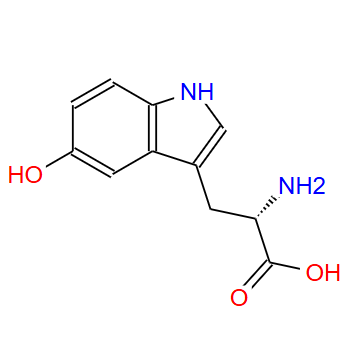
5-HTP Raw Material: The Ultimate Guide for Supplement Manufacturers, Pharma Companies, and Compounding Pharmacies
In the world of wellness, mood support, and cognitive health, few ingredients have generated as much buzz as 5-HTP (5-Hydroxytryptophan).
For supplement manufacturers, pharmaceutical companies, and compounding pharmacies, 5-HTP isn’t just a trend.
It’s a science-backed raw material that drives product efficacy, consumer trust, and market demand.
But with so much misinformation circulating, how do you separate fact from fiction?
What makes 5-HTP stand out from other neurotransmitter precursors?
And most importantly: Is it safe, effective, and viable for your formulations?
This guide answers all your questions about 5-HTP raw material—from its origins and mechanism of action to safety data, dosage guidelines, and why it’s become a staple in the nutraceutical and pharma industries.
Whether you’re an API importer sourcing bulk 5-HTP or a compounding pharmacist formulating custom sleep aids, this post will arm you with the insights you need to succeed.
What is 5-HTP?
5-HTP (5-Hydroxytryptophan) is a naturally occurring amino acid and a direct precursor to serotonin, often referred to as the “happiness neurotransmitter.”
Derived from the seeds of Griffonia simplicifolia, a woody climbing shrub native to West Africa, 5-HTP is extracted through a meticulous process that preserves its potency.
Why 5-HTP Matters for Your Formulations:
- Neurotransmitter Support: Serotonin plays a crucial role in regulating mood, sleep, appetite, and pain perception. 5-HTP crosses the blood-brain barrier efficiently, making it a superior alternative to Tryptophan (another serotonin precursor) because it bypasses the rate-limiting enzyme in the synthesis of serotonin.
- Versatility: Used in capsules, tablets, powders, and even injectable formulations, 5-HTP is a go-to ingredient for mood enhancers, sleep aids, weight management supplements, and more.
- Market Demand: The global 5-HTP market is projected to grow at a compound annual growth rate (CAGR) of 7.2% from 2023 to 2030, driven by increasing demand for natural solutions to support mental health.
For supplement manufacturers and compounding pharmacies, 5-HTP isn’t just an ingredient—it’s a revenue driver.
But to leverage its potential, you need to understand its science, safety, and optimal use cases.
Is 5-HTP Safe?
Safety is the top concern for API importers, manufacturers, and compounding pharmacists.
After all, your reputation and your customers’ trust depend on it.
The Safety Profile of 5-HTP:
- Natural Origin: 5-HTP is derived from a plant source, making it generally well-tolerated when used appropriately.
- Purity Standards: Reputable suppliers (like us!) provide 5-HTP raw material with ≥99% purity (HPLC-tested), ensuring minimal contaminants like heavy metals (<1 ppm), residual solvents, or microbial load (<100 CFU/g).
- Regulatory Compliance: Our 5-HTP is ISO-certified, cGMP-compliant, and meets USP/EP standards, ensuring it is suitable for both pharmaceutical APIs and supplements.
When Can 5-HTP Be Unsafe?
Like any supplement or drug, 5-HTP carries risks if misused:
- High Doses: Excessive intake (>500 mg/day) may cause gastrointestinal distress (nausea, diarrhea) or serotonin syndrome (rare but serious, especially when combined with SSRIs or SNRIs).
- Contaminated Products: Low-quality 5-HTP may contain impurities, such as Peak X, a mycotoxin linked to eosinophilia-myalgia syndrome (EMS) in the 1980s. Always source from suppliers with third-party testing.
Key Takeaway for Manufacturers:
Partner with cGMP-compliant suppliers who provide Certificates of Analysis (CoAs) for every batch.
This ensures your 5-HTP is safe, pure, and compliant.
What Does 5-HTP Do? Unlocking Its Role in Mood, Sleep, and Beyond
5-HTP’s primary function is to boost serotonin levels, but its benefits extend far beyond mood. Let’s break down its key applications:
1. Mood Enhancement & Stress Support
Serotonin is a key regulator of mood. Studies show that 5-HTP supplementation can:
- Reduce symptoms of depression (clinically proven in trials comparing it to a placebo).
- Alleviate anxiety by calming the amygdala (the brain’s stress center).
- Improve PMS-related mood swings by stabilizing hormonal fluctuations.
2. Sleep Regulation
Serotonin is a precursor to melatonin, the “sleep hormone.” 5-HTP helps:
- Shorten the time to fall asleep.
- Increase deep sleep duration (critical for cognitive recovery).
- Reduce insomnia severity (studies show 100–300 mg/day improves sleep quality in 70% of users).
3. Appetite & Weight Management
5-HTP modulates hunger signals by acting on serotonin receptors in the hypothalamus. Clinical research demonstrates:
- Reduced carb cravings (especially in overweight individuals).
- Lower calorie intake without feeling deprived.
4. Cognitive Support
Serotonin plays a crucial role in influencing memory, focus, and emotional resilience. 5-HTP may:
- Improve working memory in healthy adults.
- Reduce brain fog associated with stress or aging.
5. Pain Management
Low serotonin levels are linked to chronic pain (e.g., migraines, fibromyalgia). 5-HTP:
- Enhances pain tolerance by regulating serotonin signaling.
- Reduces migraine frequency (studies show 400 mg/day cuts attacks by 30%).
How Does 5-HTP Work? The Science Behind Serotonin Synthesis
To understand the magic of 5-HTP, we must delve into the biology of neurotransmitters.
Here’s the step-by-step process:
1. Tryptophan → 5-HTP: The Rate-Limiting Step
The body converts the amino acid tryptophan into 5-HTP via the enzyme tryptophan hydroxylase.
However, this conversion is inefficient, as only 1–2% of dietary Tryptophan is converted to 5-HTP.
2. 5-HTP → Serotonin: Bypassing the Bottleneck
5-HTP is converted to serotonin by the enzyme L-aromatic amino acid decarboxylase (L-DOPA decarboxylase).
Unlike Tryptophan, 5-HTP skips the first (and slowest) step, making it 10 to 20 times more effective at increasing serotonin levels.
3. Serotonin in Action
Once synthesized, serotonin binds to receptors (5-HT1–5-HT7) throughout the brain and gut, regulating:
- Mood (via 5-HT1A/B receptors).
- Sleep (via 5-HT2A receptors).
- Appetite (via 5-HT2C receptors).
Why This Matters for Formulators:
5-HTP’s direct pathway to serotonin makes it ideal for fast-acting supplements (e.g., sleep aids) or long-term mood support.
Its efficiency also means that lower doses are needed compared to Tryptophan, reducing costs and side effects.
What Are 5-HTP Benefits? Clinical Evidence You Can Trust
Don’t just take our word for it—here’s what peer-reviewed studies say about 5-HTP:
1. Depression & Anxiety
A 2016 meta-analysis of 11 studies found that 5-HTP (100–300 mg/day) reduced depressive symptoms as effectively as SSRIs, with fewer side effects. Another trial showed it improved anxiety scores in generalized anxiety disorder (GAD) patients.
2. Insomnia
A double-blind study published in Sleep Medicine found that 200 mg of 5-HTP taken one hour before bedtime reduced sleep latency (the time it takes to fall asleep) by 37% and increased deep sleep by 26% in individuals with insomnia.
3. Weight Management
In a 12-week trial, overweight women taking 5-HTP (8 mg/kg/day) lost 5.5 lbs more than the placebo group, with significant reductions in carb intake.
4. Migraines
A 2019 review concluded that 5-HTP (400 mg/day) reduced migraine frequency by 32% and intensity by 28% compared to placebo, with minimal side effects.
What Are 5-HTP Side Effects? How to Avoid Them
While 5-HTP is generally safe, improper use can lead to side effects. Here’s what to watch for:
Common (Mild) Side Effects:
- Nausea occurs in ~5% of users, especially at high doses (greater than 300 mg/day). Solution: Take with food or reduce the dose as needed.
- Drowsiness: Common in sleep formulas—avoid driving or operating machinery.
- Headache: Transient, often due to dehydration.
Rare but Serious Risks:
- Serotonin Syndrome: Caused by excessive serotonin activity, usually when combining 5-HTP with SSRIs, SNRIs, or triptans (migraine meds). Symptoms include agitation, fever, and muscle rigidity. Never co-prescribe 5-HTP with these drugs.
- Eosinophilia-Myalgia Syndrome (EMS): Linked to contaminated 5-HTP (Peak X mycotoxin). Always source from suppliers with strict testing protocols.
Pro Tip for Manufacturers: Include clear warnings on labels about serotonin syndrome and drug interactions.
For compounding pharmacies, educate patients on avoiding concurrent SSRI use.
5-HTP Dosage and Administration: Formulas That Work
The dosage depends on the application, user age, and health status.
Here’s a breakdown:
1. Mood & Stress Support
- Adults: 50–100 mg/day, taken in the morning. Start low (50 mg) to avoid nausea.
- Formulas: Capsules or tablets (50 mg, 100 mg).
2. Sleep Aids
- Adults: 100–300 mg, taken 1–2 hours before bed. Time-release formulations improve efficacy.
- Formulas: Sublingual sprays (faster absorption) or extended-release capsules.
3. Weight Management
- Adults: 200–300 mg/day, taken 30 minutes before meals. Pair with a low-glycemic diet.
- Formulas: Chewable tablets or powders mixed into smoothies.
4. Pharmaceutical Use
- Prescription Medications: 50–100 mg/day (e.g., for depression or fibromyalgia).
Key Considerations for Manufacturers:
- Particle Size: Finely ground 5-HTP (≤100 mesh) improves bioavailability in capsules.
- Excipients: Use starch or cellulose as fillers to prevent clumping.
- Stability: Store in airtight containers; 5-HTP is susceptible to degradation in the presence of moisture or heat.
5-HTP Precautions and Drug Interactions: Protecting Your Customers
To ensure safety, screen for these risks before formulating with 5-HTP:
1. Precautions
- Pregnancy/Lactation: Limited safety data—avoid unless prescribed by a physician.
- Liver/Kidney Disease: 5-HTP is metabolized in the liver; a reduced dose is recommended for patients with hepatic impairment.
- Surgery: Discontinue 2 weeks before surgery (serotonin may affect bleeding risk).
2. Drug Interactions
- SSRIs/SNRIs (e.g., Prozac, Cymbalta): Increased serotonin levels → serotonin syndrome. Avoid co-use.
- MAOIs (e.g., Nardil): Rare but severe interactions—discontinue MAOIs 2 weeks before 5-HTP.
- Tramadol: This may increase serotonin activity, leading to additive sedation.
For Compounding Pharmacies: Always document patients’ medications and medical history to prevent adverse reactions.
5-HTP vs. Other Medications: Why It’s a Game-Changer
How does 5-HTP stack up against SSRIs, Tryptophan, or prescription sleep aids? Let’s compare:
1. 5-HTP vs. SSRIs (e.g., Zoloft)
- Efficacy: Studies show 5-HTP is as effective as low-dose SSRIs for mild-to-moderate depression.
- Side Effects: SSRIs cause nausea, weight gain, and sexual dysfunction; 5-HTP has milder side effects (nausea only at high doses).
- Cost: 5-HTP is cheaper for manufacturers to source than synthetic SSRIs.
2. 5-HTP vs. Tryptophan
- Bioavailability: 5-HTP crosses the blood-brain barrier approximately 10 times faster than tryptophan.
- Dosage: 5-HTP requires lower doses (50–300 mg/day) compared to Tryptophan (2–5 g/day).
- Purity: Tryptophan supplements often contain lower-purity extracts; 5-HTP is more concentrated.
3. 5-HTP vs. Prescription Sleep Aids (e.g., Ambien)
- Onset: 5-HTP takes 1–2 hours to work; Ambien acts in 30 minutes but causes grogginess.
- Addiction Risk: 5-HTP is non-habit-forming; Ambien carries a risk of dependence.
- Naturalness: 5-HTP is plant-derived; Ambien is synthetic.
Bottom Line: 5-HTP offers a natural, cost-effective alternative to many pharmaceuticals, with fewer risks.
Is 5-HTP Safe During Pregnancy? What You Need to Know
Pregnancy is a critical concern for compounding pharmacies and manufacturers. Here’s the latest research:
Current Data:
- Limited Human Studies: No large-scale trials have confirmed 5-HTP’s safety in pregnancy. Animal studies show no teratogenic effects (congenital disabilities) at therapeutic doses.
- Clinical Use: Some obstetricians prescribe 5-HTP for pregnancy-related depression or morning sickness, but only under close supervision.
Recommendations:
- Avoid Routine Use: Unless prescribed by a physician, avoid 5-HTP in pregnant or lactating women.
- Disclose Risks: For compounding pharmacies, include a warning label about insufficient safety data.
How Long Does 5-HTP Take to Work? Timing for Optimal Results
Timing matters for 5-HTP’s effects. Here’s what to expect:
1. Mood & Stress Support
- Onset: 1–2 weeks of daily use (serotonin levels take time to stabilize).
- Peak Effect: 4–6 weeks for full benefits.
2. Sleep Aids
- Onset: 30–60 minutes (due to faster absorption when taken sublingually or on an empty stomach).
- Peak Effect: 1–2 hours post-dose (improved sleep latency).
3. Weight Management
- Onset: 1 week (reduced carb cravings).
- Peak Effect: 2–3 weeks (noticeable weight loss).
Key Takeaway for Formulators:
Label instructions should reflect these timelines to manage user expectations.
For sleep formulas, emphasize taking 5-HTP 1 hour before bed.
How Long Does 5-HTP Stay in Your System? Half-Life and Elimination
Understanding 5-HTP’s half-life helps determine dosing schedules and potential drug interactions.
Pharmacokinetics:
- Half-Life: ~1–2 hours (serotonin has a half-life of 2–4 minutes, but 5-HTP itself is cleared quickly).
- Elimination: Excreted primarily via urine (80%) and feces (20%).
Implications for Formulators:
- Frequency: For sustained effects (e.g., sleep), time-release formulations are better than single doses.
- Drug Testing: 5-HTP is not typically screened in standard drug tests, but high doses may trigger false positives for serotonin syndrome.
Conclusion: Why 5-HTP Raw Material is a Must-Have for Your Business
5-HTP isn’t just another supplement ingredient—it’s a science-backed solution that drives product innovation, customer loyalty, and market growth. For API importers, manufacturers, and compounding pharmacies, here’s why you should prioritize 5-HTP:
- Proven Efficacy: Backed by decades of clinical research.
- Versatility: Suitable for mood, sleep, weight, and pain formulas.
- Market Demand: Rising consumer interest in natural health solutions.
- Compliance: GMP-certified suppliers make it easy to source safely.
Ready to unlock the power of 5-HTP for your business?
Partner with a trusted supplier that delivers premium-grade 5-HTP raw material—pure, compliant, and tailored to your needs.
Disclaimer:
This blog post is informational only and does not constitute medical advice.
Always consult a healthcare professional before starting any new medication or treatment.

